
Implementing a vision of caring for one another in local churches
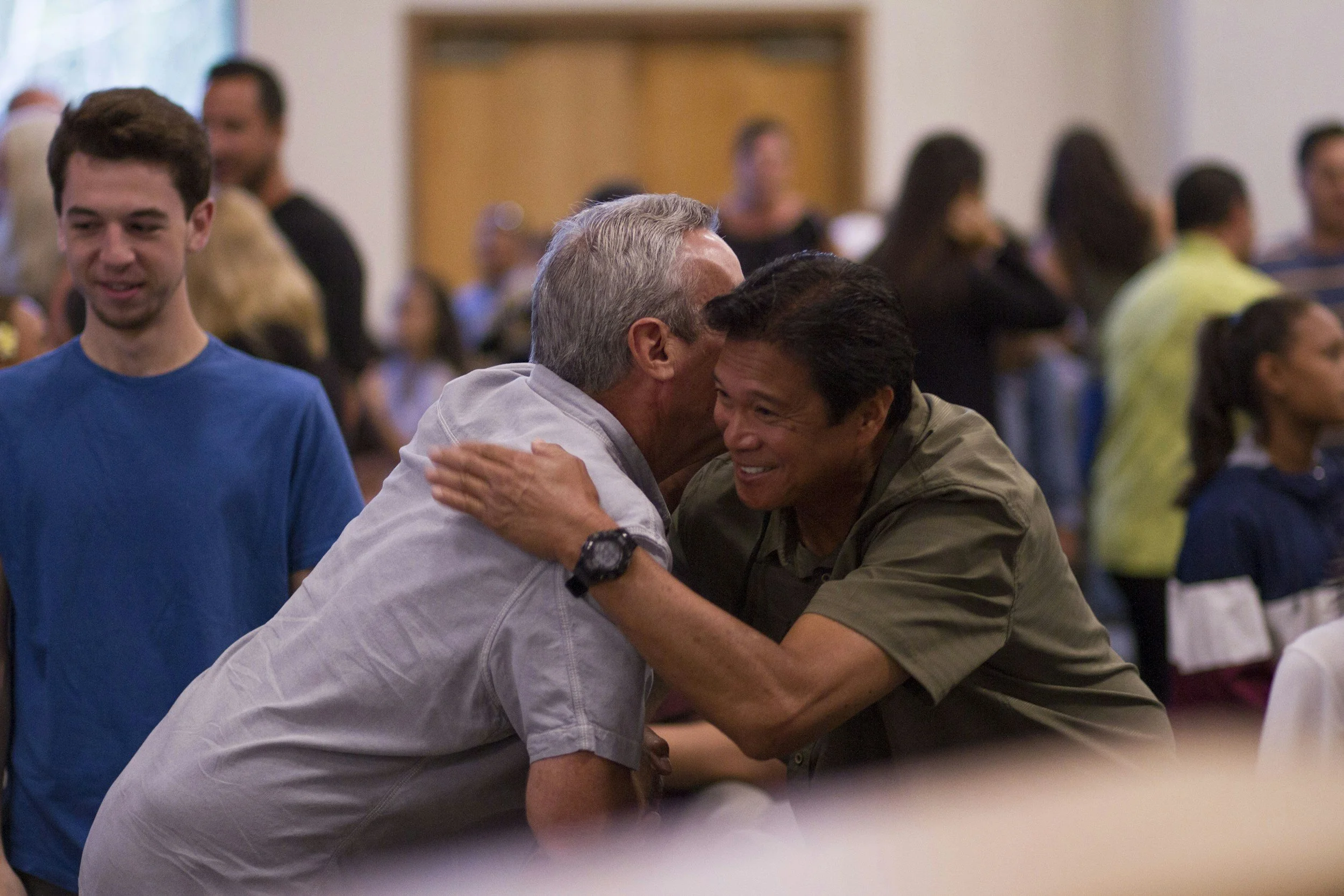
BCA has a broad concept of what counselling is. Essentially, it is about biblical ministry conversations that take place on a continuum, ranging from brief catch-ups at church to meeting regularly with a brother or sister in the Lord, or discussing matters at length with a pastor or counsellor over weeks or years. The Lord is part of these conversations through his Word and Spirit, and we speak with him in prayer.
Biblical counselling most naturally belongs in the loving community of a healthy local church. Yet, for a range of reasons that Tripp and Lane called the ‘ministry gap’ and the ‘gospel gap’, good conversational ministry where the word of Christ dwells richly with all wisdom is often less than it could be in our churches - even in churches that are otherwise going well.
Here are some ways that we at BCA have found local churches can grow in wise and loving, biblically rich conversations:
· Teaching biblical counselling approaches to life in short courses so that people are thinking biblically about life and their role in helping one another
o How People Change – Lane and Tripp (see the separate article for suggestions on how best to run this very worthwhile and well-received course in your church)
o Instruments in the Redeemer’s Hands - Tripp
o Caring for One Another - Welch
o Real Change – Nicholls and Thorne
· Teaching topical pre-packaged courses on areas of widespread interest
o Mental Health and Your Church - BCA workshop videos and study guide featuring Steve Midgley in Australia
o Paul Tripp on marriage brings biblical counselling concepts into one of our most significant relationships.
· Modelling in public teaching with examples of people encouraging one another as they face life’s struggles – especially the preacher being helped through trouble by the personal ministry of another.
· Living it out in one-on-one catch-ups to ‘read the Bible and pray together.’ Meeting to share about life, read the Bible, and pray specifically about the things that seem most important is a great opportunity to apply a BC understanding of life, encouragement, and change taught elsewhere.
· Asking good application questions in small group Bible studies. May need to add or change questions in pre-prepared study guides. What does this passage say about the thoughts and desires of our hearts? How might you bring this into your one-on-one conversations? Encourage discussions that are personal and specific.
· Experiencing blessing through the work of church leaders and other mature saints whose ministry the ‘Word of Christ dwells richly with all wisdom’, as well as listening well and praying about the difficult details of life.
o Training for interested and gifted people can facilitate this – see also the BCA training page
· Supporting others as they care for one another, if you are in a position to do so with your gifts, training, experience, role, etc. This one on one equipping can help people move from casual conversations to ministry conversations and be organic or formally structured to suit your circumstances
· Experiencing it through the ministry of parachurch biblical counsellors, available in our largest capital cities in person, or anywhere by video, then learning from that and passing it on.
· Presenting topical talks by biblical counsellors and pastors trained in biblical counselling - at church camps, half-day teaching events in the local church, women’s ministry conferences, ministry training events for young people, BCA local and national conferences, and workshops run by local biblical counsellor groups. Here are some of the most recent topics of talks delivered in various states:
o How people change
o Helping one another
o Pastoral care for ministry leaders
o Anxiety in children
o Anger in relationships
o Redeeming conflict in marriage
o Helping with trauma
o Responding to abuse